
The Showdown: Tulsi Gabbard Exposes Nancy Pelosi’s Corruption in Explosive Hearing
In a stunning turn of events during a recent House Intelligence Committee hearing, Tulsi Gabbard, the Director of National Intelligence, confronted former Speaker Nancy Pelosi, revealing a web of alleged corruption that left the political veteran speechless. What began as a routine session on intelligence oversight quickly escalated into a dramatic confrontation that could redefine American politics.
The Setting
The hearing room, designed to accommodate 80 people, was packed beyond capacity with over 120 attendees, creating a palpable tension in the air. The walls, soundproofed to protect sensitive discussions, seemed to close in as the stakes rose. At the witness table, Pelosi sat with her legal team, poised and confident, while Gabbard, alone and resolute, prepared to face the accusations leveled against her.
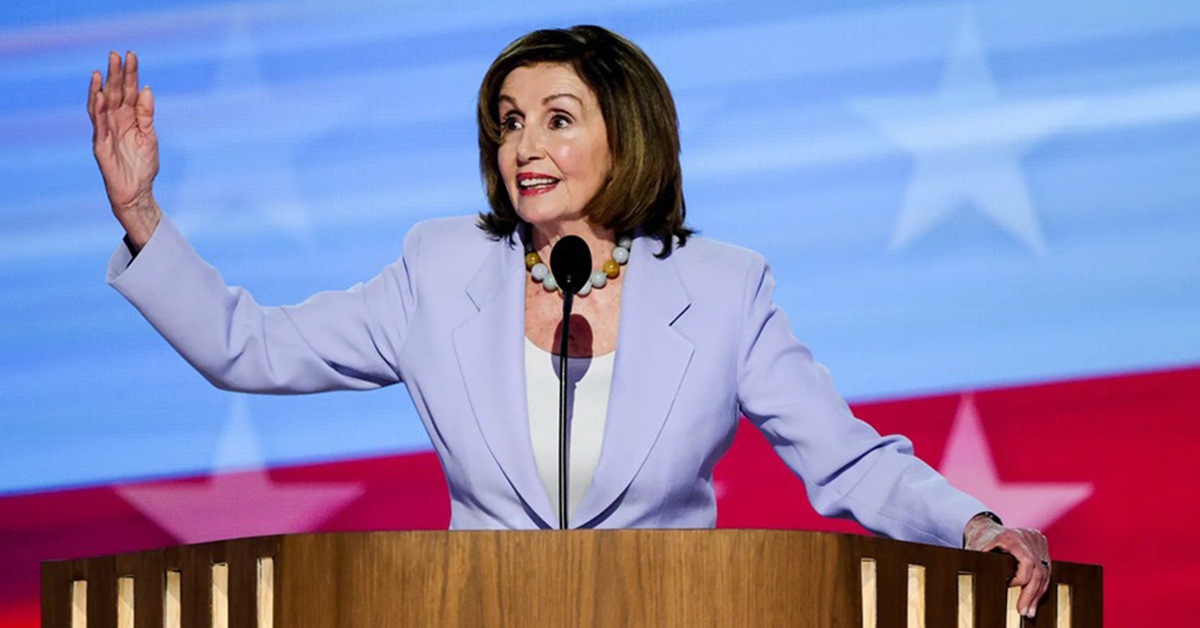
Pelosi, known for her commanding presence in Congress, opened the hearing with her signature authority. She spoke of her years of service and the importance of intelligence oversight, establishing herself as a seasoned stateswoman. However, her demeanor shifted when she turned her focus to Gabbard, accusing her of being unfit for her role due to alleged ties to Russian propaganda.
The Accusation
“I have serious concerns about Director Gabbard’s approach to intelligence matters,” Pelosi stated, her voice dripping with accusation. She claimed that Gabbard had undermined the intelligence community and questioned her loyalty to the United States. The atmosphere in the room thickened as the implications of Pelosi’s words hung heavily in the air.
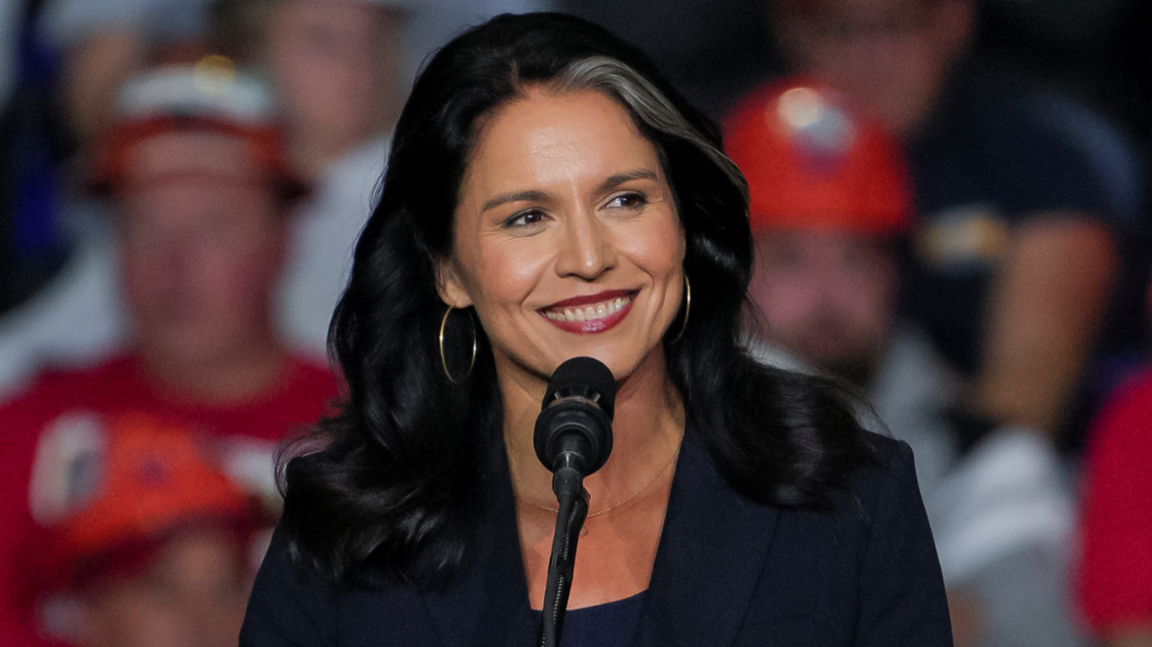
But Gabbard remained calm, her expression steady. After a tense pause, she responded with a measured tone, acknowledging Pelosi’s concerns but shifting the focus back to the former Speaker’s own record. “Perhaps we should examine the evidence regarding your own conduct in matters of intelligence oversight and classified information,” Gabbard said, reaching for her meticulously organized folders.
The Evidence Unfolds
What followed was a meticulously crafted presentation that would leave Pelosi and the Democratic members of the committee reeling. Gabbard unveiled classified documents and analyses that detailed suspicious trading patterns linked to Pelosi’s husband, Paul Pelosi, suggesting a troubling pattern of insider trading that coincided with Nancy Pelosi’s classified briefings.
Gabbard pointed to a chart showing a series of stock trades made by Paul Pelosi that aligned suspiciously with the dates of Nancy Pelosi’s classified intelligence briefings. “Over a 15-year period, intelligence analysts identified 23 significant stock trades by your husband that occurred within one week of you receiving classified briefings about information that would materially affect those exact stocks,” Gabbard stated, her voice steady but firm.
The room fell silent as the implications of Gabbard’s revelations sank in. The analysis indicated that these trades had generated over $200 million in profits for the Pelosi family, raising serious questions about the integrity of Pelosi’s actions as a public servant.
The Fallout
As Gabbard continued to present evidence, the tension in the room escalated. She detailed how investigations into these suspicious trading patterns had been shut down, implying that Pelosi had used her power to obstruct justice. “You used your power as Speaker of the House to shut down an ethics investigation into your own conduct,” Gabbard asserted, her voice carrying the weight of her accusations.
Pelosi, once confident, now appeared visibly shaken, her legal team whispering urgently as she struggled to regain control of the narrative. When she attempted to respond, her voice faltered, and she resorted to invoking her Fifth Amendment rights multiple times when pressed on the allegations.
The moment was historic. For the first time in her long career, Pelosi found herself cornered, unable to defend her actions. The contrast between Gabbard’s calm, authoritative demeanor and Pelosi’s increasingly defensive posture was striking.
A Moment of Reckoning
As the hearing progressed, Gabbard’s revelations painted a picture of a politician who had profited immensely from decisions made while in power, decisions that had devastating consequences for American soldiers and their families. The room was filled with veterans, including Jake Banning, a former Marine who had lost his legs in combat. Their presence underscored the gravity of the situation as they witnessed the woman who had sent them to war being held accountable for her actions.
Gabbard’s final remarks were a powerful indictment of Pelosi’s legacy. “You voted to send thousands to war while your family profited from those wars,” she declared. “You used classified information to trade stocks. You blocked investigations into your corruption.” The silence that followed was deafening, a stark contrast to the chaos that had erupted earlier.
The Aftermath
The fallout from the hearing was immediate and far-reaching. Social media erupted, with millions sharing clips of Gabbard’s presentation and Pelosi’s faltering responses. The hashtags #PelosiCorruption and #TulsiTruth trended as the public reacted to the shocking revelations.
Within days, calls for Pelosi’s resignation began to surface from both progressive and moderate Democrats. The political landscape shifted dramatically as donors withdrew their support, and Pelosi’s once-untouchable status began to crumble. Ultimately, she announced she would not seek reelection, citing health reasons, but the damage to her reputation was already done.

A New Chapter
In the wake of the hearing, Tulsi Gabbard emerged not only as a defender of accountability but as a symbol of integrity in a political landscape often marred by corruption. She continued her work as Director of National Intelligence, focusing on ensuring that the intelligence community served the American people, not political interests.
For veterans like Jake Banning, the hearing represented a turning point. “Today, Director Gabbard showed that some people in power do care,” he stated after the hearing. “She exposed the truth.”
As the dust settled, it became clear that this confrontation would resonate for years to come, serving as a reminder of the importance of accountability in public service. The contrast between service and exploitation, loyalty and self-interest, had been laid bare for all to see. The hearing was not just a moment of reckoning for Nancy Pelosi; it was a pivotal moment in American politics, one that would shape the future of the Democratic Party and its leadership.
News

“MATAGAL NANG HINIHINTAY! PAULO AVELINO AT KIM CHIU, INAMIN NA ANG TUNAY NA NARARAMDAMAN! PANOORIN ANG REBELASYON!”
“MATAGAL NANG HINIHINTAY! PAULO AVELINO AT KIM CHIU, INAMIN NA ANG TUNAY NA NARARAMDAMAN! PANOORIN ANG REBELASYON!” Sa gitna ng…

“PANALO ULIT! KIMPAU NAGULANTANG SA MATINDING PAGMAMAHAL NG MGA FANS!”
“PANALO ULIT! KIMPAU NAGULANTANG SA MATINDING PAGMAMAHAL NG MGA FANS!” Hindi maikakaila na ang tambalang Kimpau ay isa sa mga…

IMEE MARCOS BUMANAT! Matinding Paratang Kay PBBM sa Illegal na Gawain, BINULGAR NA!
IMEE MARCOS BUMANAT! Matinding Paratang Kay PBBM sa Illegal na Gawain, BINULGAR NA! PANIMULA Sa isang bansa kung saan ang…

DANIEL PADILLA at KATHRYN BERNARDO: MAY NANGYARING HINDI INAASAHAN SA BACKSTAGE NG ABS-CBN CHRISTMAS SPECIAL?!”
DANIEL PADILLA at KATHRYN BERNARDO: MAY NANGYARING HINDI INAASAHAN SA BACKSTAGE NG ABS-CBN CHRISTMAS SPECIAL?!” ⭐ INTRO: Ang Gabing Kumulo…

TINRAYDOR SI KIM CHIU?! ABOGADO SUMABOG SA PAGLABAS NG MGA BAWAL NA DETALYE!”
TINRAYDOR SI KIM CHIU?! ABOGADO SUMABOG SA PAGLABAS NG MGA BAWAL NA DETALYE!” Walang nag-akala na ang isang tahimik na…

Ellen Adarna, Tuluyan Nang Binura ang ‘Ramsay’ sa Pangalan—Senyal na Nga Ba ng Hiwalayan?
Ellen Adarna, Tuluyan Nang Binura ang ‘Ramsay’ sa Pangalan—Senyal na Nga Ba ng Hiwalayan? Ellen Adarna, Tuluyan Nang Binura…
End of content
No more pages to load