Texas Governor Unleashes “Tariff Terror” on Mamdani Refugees — 100% Price Tag for Fleeing New York!
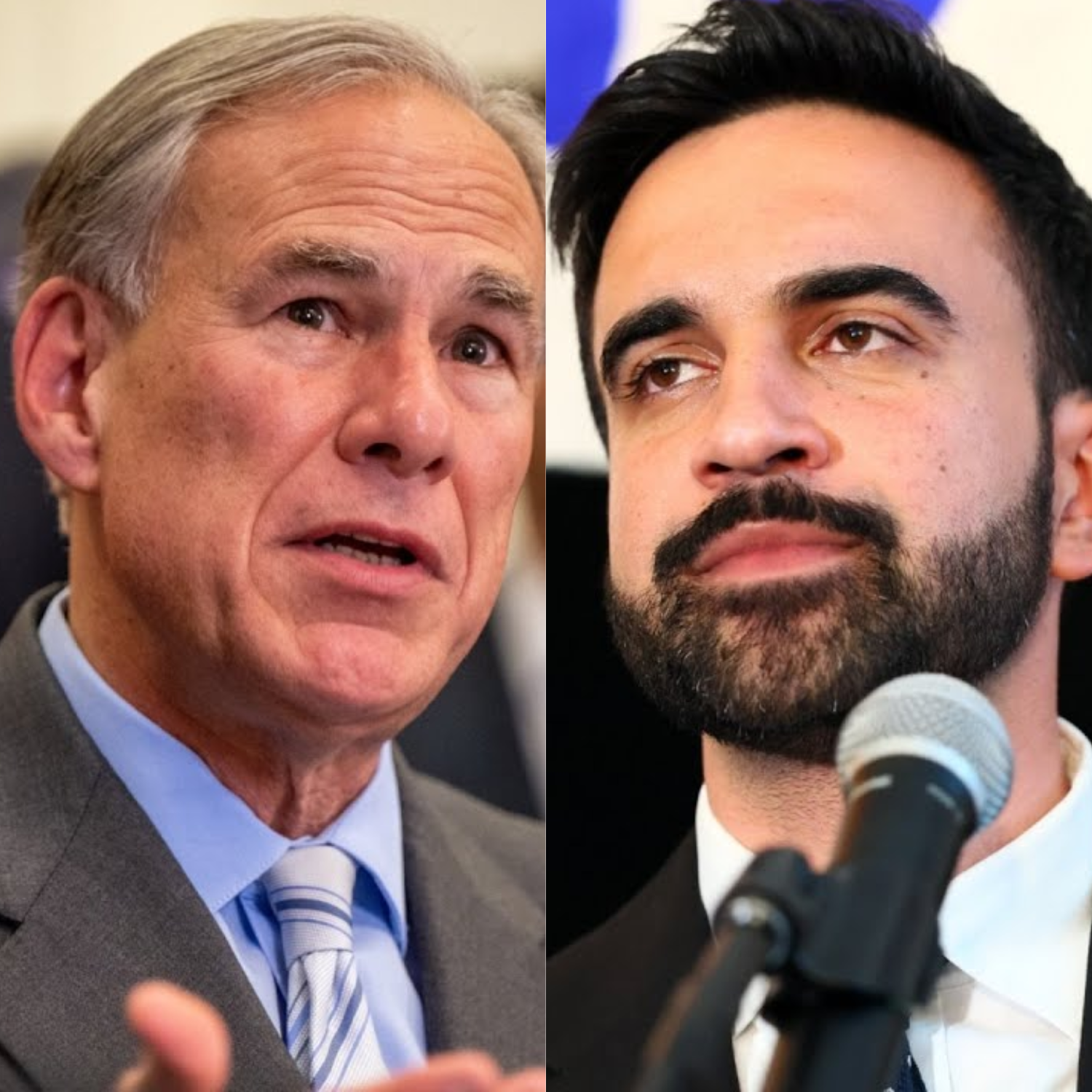
In an era where political theater often blurs the lines between satire and policy, Texas Governor Greg Abbott just dropped a bombshell that’s left America’s chattering classes reeling. With a single tweet, Abbott threatened to slap a 100% tariff on any “Mamdani refugees” escaping New York for the Lone Star State. The message? If you’re fleeing the chaos of New York’s progressive experiment, you’ll pay double for the privilege of breathing Texas air. The New York Post took it seriously. Abbott’s defenders say he’s joking. But in a nation where migration is the new battleground, the implications are anything but funny.
Abbott’s tweet landed just as polls closed in New York, a state now synonymous with sky-high taxes, surging crime, and a political climate so fevered it’s driving thousands to pack up and head south. “After the polls close tomorrow night, I will impose a 100% tariff on anyone moving to Texas from New York City,” Abbott declared. The timing was no accident. With the Mamdani movement gaining traction and liberal voters feeling the squeeze, the red states—Texas and Florida especially—are bracing for an exodus that could reshape their political DNA.
But what’s behind this tariff threat? On the surface, it’s classic Texas bravado, a rhetorical middle finger to the policies driving New Yorkers out of their own city. Beneath the bluster, though, lies a real anxiety: as progressive refugees pour into conservative strongholds, they bring with them the very politics that wrecked their old homes. It’s a phenomenon as old as America itself, but never has it been this stark. Californians fleeing high taxes and regulation have already transformed cities like Austin into miniature San Franciscos, voting Democrat and remaking the culture. Now, with New York teetering on the edge, Texas wonders if it’s next.
The genius of America’s federal system is that it makes moving state-to-state easy. If you’re looking for work, cheaper housing, or a safer neighborhood, you can pack up and start fresh with little more than a U-Haul and a dream. But Abbott’s warning signals a new era: one where states guard their borders not just from foreign migrants, but from fellow Americans whose politics they fear. It’s the ultimate irony—freedom of movement, but only if you leave your voting habits at the state line.
The Mamdani phenomenon is a case study in this migration panic. Named for Zohran Mamdani, the progressive New York Assemblyman championing radical policies from open borders to gender-affirming care, Mamdani’s supporters are among the most committed leftists in the country. They’re affluent, overwhelmingly white, and willing to die on every progressive hill, from racial justice to trans rights. As New York’s policies spiral, these voters are increasingly willing to relocate—but not to change their ideology.
Abbott’s tariff threat is a shot across the bow. “If you want to bring New York’s problems to Texas, you’ll pay for it,” he seems to say. But is it just bluster, or is there a real policy shift brewing? Abbott’s critics dismiss it as a joke, a bit of political theater for the Fox News crowd. But plenty of Texans feel the same way. Austin, once a sleepy college town, is now a blue oasis in a red sea, plagued by the same issues—homelessness, crime, and sky-high housing costs—that drove Californians and New Yorkers to flee in the first place.
The underlying tension is clear: migration isn’t just about economics anymore. It’s about culture, values, and the future of American politics. When progressives flee failing blue states, they often bring the same voting patterns with them, threatening to tip the balance in their new homes. Conservatives see it as an invasion—a Trojan horse that could turn Texas purple or even blue. Abbott’s tariff is a warning: assimilate, or pay the price.
But the story doesn’t end there. The progressive exodus is reshaping the national conversation on everything from immigration to gender politics. Take the New York woman whose viral remarks summed up the Mamdani base: “Is it okay that our neighbors are getting taken off the streets by ICE? Is it okay that gender-affirming care is being taken from young people who need it to survive? Is it okay that the Supreme Court has justified racial profiling?” For her, these are the issues that matter—not the economy, crime, or homelessness. It’s a worldview that’s increasingly at odds with the priorities of the states they’re fleeing to.
This affluent, white, leftist voting bloc is powerful. They can swing elections, shape policy, and turn conservative enclaves into progressive battlegrounds. Their support for Mamdani and other far-left candidates is unwavering, even when those policies hurt them personally. It’s a paradox that’s driving the migration panic—and fueling Abbott’s fiery rhetoric.
Meanwhile, the right is staging its own counter-revolution. Across America, young conservatives are rising up, rejecting the progressive orthodoxy that’s dominated campuses and culture for years. At a recent Turning Point USA event in Mississippi, more than half the student body registered to attend, lining up from dawn to dusk for a taste of the new conservative movement. This isn’t just a backlash—it’s a generational shift, fueled by frustration with the status quo and a hunger for meaning.
For years, older conservatives wrote off the young, assuming they’d grow out of their liberal phase. But groups like Turning Point and PragerU have tapped into a new energy, arguing that conservative policies offer not just economic opportunity but a sense of purpose. The Christian element is strong, as young Americans rediscover pride in their country and gratitude for its successes. It’s a direct challenge to the grievance-based politics of the Mamdani left.
The numbers tell the story. In 2022, nearly 7% of U.S. undergraduates identified as trans. By last year, that figure had dropped to 3.6%. The social contagion is fading, even as Australia remains an outlier. Parents of kindergarteners in Queensland are now being asked if they want “they/them” pronouns for their four-year-olds—a sign that the culture war is far from over. But in America, the tide may be turning, as young people reject the intersectional hierarchy and rediscover basic skills like reading and writing.
Abbott’s tariff threat may never become law, but it’s a symbol of a deeper divide. America is splitting not just along party lines, but along cultural fault lines that run deeper than any election. The question isn’t just who wins the next race—it’s who gets to define the future of the country. Will Texas remain a conservative stronghold, or will the progressive refugees remake it in New York’s image? Will tariffs and border walls become the norm, not just for foreigners but for fellow citizens?
The stakes couldn’t be higher. As the Mamdani exodus accelerates, states like Texas and Florida stand at a crossroads. Do they welcome the newcomers and hope for assimilation, or do they fight back, erecting barriers—literal and metaphorical—to protect their way of life? Abbott’s tweet may be a joke, but the anxiety is real. The battle for America’s soul is being fought not just in Washington, but in the moving vans and real estate offices of every city in the country.
In the end, Abbott’s “tariff terror” is more than a meme—it’s a warning. The age of easy migration is over. If you want to flee the chaos of New York, you’ll have to pay the price. And if you want to bring Mamdani’s revolution to Texas, you’d better be ready for a fight.
So, buckle up. The culture war just went interstate, and the tariff is only the beginning. Whether Abbott’s threat is policy or punchline, one thing is clear: the battle lines have been drawn, and America’s future hangs in the balance.
News
Prison Bully Tried to Humiliate the Black Janitor—Ended Up Flat on His Back While the Yard Watched in SHOCK
Prison Bully Tried to Humiliate the Black Janitor—Ended Up Flat on His Back While the Yard Watched in SHOCK The…

“Bikers Unleash Hell on Bullies Who Tormented a Deaf Kid—And Milbrook Will Never Forget”
“Bikers Unleash Hell on Bullies Who Tormented a Deaf Kid—And Milbrook Will Never Forget” The small town of Milbrook, Ohio,…
“Retired Kung Fu Master Snaps Prison Kingpin’s Ego in Half—Chaos Never Saw It Coming”
“Retired Kung Fu Master Snaps Prison Kingpin’s Ego in Half—Chaos Never Saw It Coming” The moment Elias Brooks shuffled into…
“She Crossed Every Line for a Death Row Prisoner—What He Asked Will Make You Question Humanity”
“She Crossed Every Line for a Death Row Prisoner—What He Asked Will Make You Question Humanity” The clang of steel…
“MAGA Veteran HUMILIATES Jamie Raskin With a Savage Line That Will Haunt Him Forever—Congress Gets Schooled on Real Military Values”
“MAGA Veteran HUMILIATES Jamie Raskin With a Savage Line That Will Haunt Him Forever—Congress Gets Schooled on Real Military Values”…

“Racist Cops Slap Cuffs on Black Female General—Her Pentagon Call Nuked Their Careers and Shattered the Department”
“Racist Cops Slap Cuffs on Black Female General—Her Pentagon Call Nuked Their Careers and Shattered the Department” She said, “I’m…
End of content
No more pages to load