
Jellie Aw and Jam Ignacio Reportedly Reconcile After Abuse Controversy Sparks Public Debate
Manila — Months after a highly publicized controversy involving allegations of physical abuse sent shockwaves across social media, influencer Jellie Aw and professional basketball player Jam Ignacio are once again at the center of public attention following reports that the two have reconciled.
The apparent reunion has reignited intense discussion online, drawing mixed reactions from supporters, critics, and advocacy groups alike. While some view the development as a private matter between two individuals seeking healing and resolution, others have expressed concern, emphasizing the seriousness of abuse allegations and the broader implications such cases carry in the public sphere.
A Controversy That Captured National Attention
The issue first erupted when photos and statements allegedly showing injuries sustained by Jellie Aw circulated widely on social media. The posts quickly went viral, prompting an outpouring of concern from netizens, fellow influencers, and public figures. Many called for accountability and urged authorities to investigate the matter thoroughly.
At the height of the controversy, the hashtag bearing Aw’s name trended across multiple platforms. Comment sections were flooded with messages condemning violence and expressing solidarity with victims of abuse. The situation also sparked renewed conversations about domestic violence, particularly involving public figures whose personal lives are often under intense scrutiny.
Jam Ignacio, a known figure in Philippine basketball circles, soon became the focus of online backlash. Sponsors, fans, and commentators weighed in, with many urging him to address the allegations directly. The incident underscored how quickly private disputes can escalate into national conversations in the digital age.
Initial Responses and Public Statements
In the days following the controversy, both parties issued statements addressing the situation, though details remained limited. Jellie Aw asked for privacy and understanding as she navigated what she described as a deeply personal and painful experience. Her statement resonated with many, particularly women who shared similar stories of abuse and survival.
Ignacio, for his part, released a statement denying certain claims while acknowledging that the situation had become public and emotionally charged. He appealed for restraint from the public, asking that judgment be withheld as matters were clarified.
Despite these statements, the lack of detailed explanations left room for speculation, and the story continued to dominate entertainment and sports news cycles for weeks.
A Period of Silence
After the initial wave of attention, both Aw and Ignacio largely retreated from the public eye. Aw limited her social media activity, posting sparingly and focusing on lifestyle content without direct reference to the controversy. Ignacio, meanwhile, maintained a lower profile, avoiding interviews and public appearances unrelated to his professional commitments.
Observers noted the silence as a possible attempt to de-escalate the situation. For many public figures, stepping back is often the only way to allow emotions to settle and prevent further misinformation from spreading.
During this period, advocacy organizations continued to use the case as an example to raise awareness about domestic violence, emphasizing that reconciliation should never come at the expense of safety or accountability.
 Signs of a Reconciliation
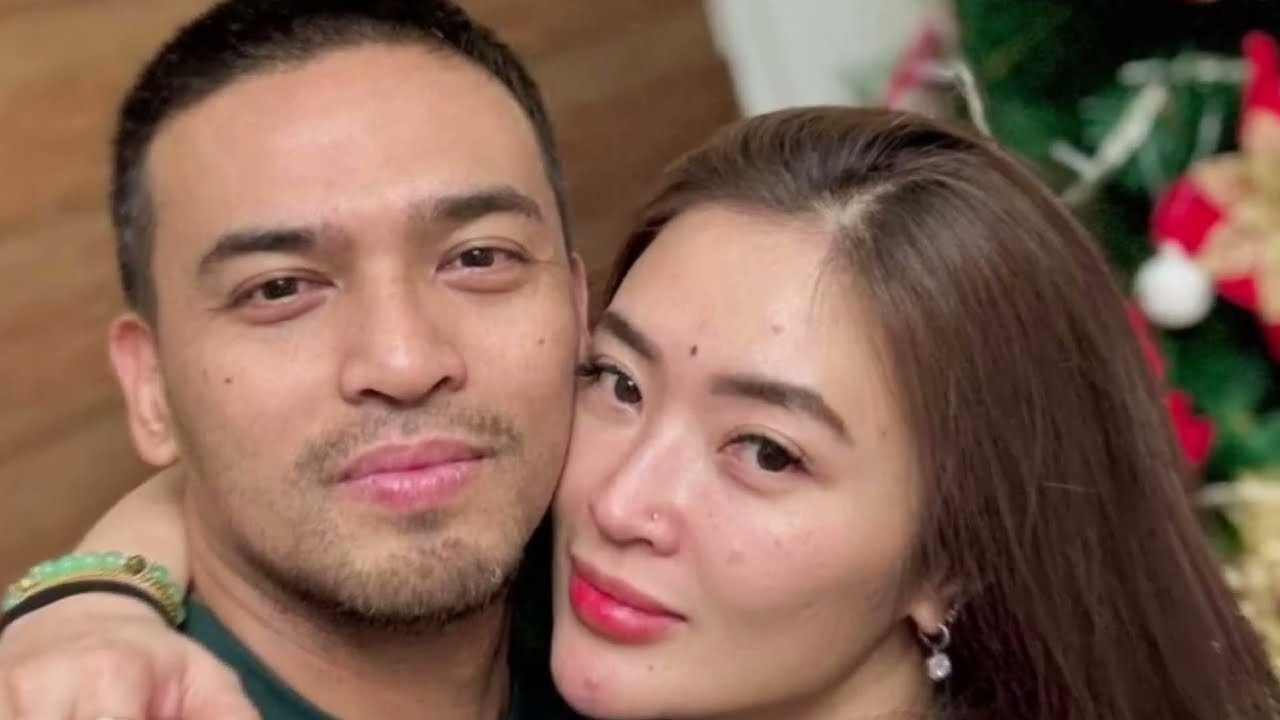
Speculation about a possible reconciliation began when eagle-eyed netizens noticed subtle clues on social media. Followers pointed out similar backgrounds in photos, shared locations, and interactions that suggested Aw and Ignacio were spending time together again.
The speculation intensified when the two were reportedly seen together in public, prompting entertainment blogs and gossip pages to suggest that they had rekindled their relationship. Screenshots and short videos circulated rapidly, fueling debate about whether reconciliation had indeed taken place.
Neither Aw nor Ignacio immediately confirmed the reports, but the absence of denial further fueled public curiosity.
Mixed Reactions From the Public
News of the alleged reconciliation divided public opinion almost instantly.
Some supporters expressed hope that the couple had addressed their issues privately and found a path toward understanding and healing. They argued that relationships are complex and that outsiders rarely have access to the full story.
Others, however, reacted with disappointment and concern. Many netizens emphasized that abuse allegations should never be minimized or dismissed, regardless of reconciliation. Comments across platforms warned against normalizing harmful behavior or sending the message that accountability can be avoided through private resolution.
Survivors of abuse also weighed in, sharing personal stories and reminding the public that reconciliation is a deeply personal decision, but one that should always prioritize safety and long-term well-being.
The Role of Social Media
The case once again highlighted the powerful role social media plays in shaping public narratives. Platforms such as Facebook, X, Instagram, and TikTok served as both sources of information and arenas for debate.
Short clips, screenshots, and speculative posts often spread faster than verified reports, making it difficult for audiences to separate fact from rumor. While social media allowed for rapid awareness and advocacy, it also amplified judgment and emotional reactions.
Media analysts noted that in cases involving sensitive issues like abuse, the speed of online discourse can sometimes overshadow the need for careful, responsible reporting.
Legal and Ethical Considerations
While the controversy unfolded largely in the public eye, legal experts cautioned against drawing definitive conclusions without official findings. Allegations of abuse are serious matters that require proper investigation and due process.
At the same time, women’s rights advocates stressed that legal outcomes do not always reflect the lived experiences of victims. Many cases of domestic violence go unreported or unresolved due to fear, social pressure, or lack of resources.The reported reconciliation, they noted, does not invalidate the importance of discussing abuse or providing support systems for those affected.

Silence From the Parties
As of this writing, neither Jellie Aw nor Jam Ignacio has released a comprehensive statement confirming or explaining the reconciliation. Their representatives have declined requests for comment, reinforcing the idea that the couple may be choosing to handle the matter privately.
This silence has done little to quell public interest, but some commentators argue that it should be respected. “Not every personal decision needs a public explanation,” one entertainment columnist wrote, while also acknowledging the public’s concern given the seriousness of the earlier allegations.
 Impact on Careers
The controversy has had noticeable effects on both individuals’ public images.
For Aw, the incident brought an unprecedented level of attention, much of it sympathetic. Many followers praised her courage and resilience, while others expressed concern about her reported reconciliation. Brands and collaborators have taken a cautious approach, closely watching public sentiment.
Ignacio’s professional standing has also been affected. While he continues to pursue his athletic career, the controversy remains a point of discussion among fans and commentators. Sports analysts note that off-court issues increasingly influence public perception of athletes, especially in the age of social media accountability.
Broader Conversation on Abuse and Accountability
Beyond the individuals involved, the case has become part of a larger national conversation about abuse, accountability, and forgiveness.
Experts emphasize that reconciliation does not necessarily mean that harm did not occur, nor does it erase the need for personal growth and responsibility. Healthy reconciliation, they argue, requires acknowledgment of wrongdoing, genuine change, and safeguards to prevent future harm.
Advocacy groups have reiterated calls for stronger support systems for victims, better education on recognizing abusive behavior, and more accessible mental health resources.
Cultural Context
In the Philippines, discussions around domestic issues are often influenced by cultural values such as family unity, forgiveness, and privacy. While these values can foster healing, critics argue that they can also discourage victims from speaking out or leaving harmful situations.
The Aw-Ignacio controversy has brought these tensions into sharp focus, prompting debates about where the line should be drawn between respecting privacy and demanding accountability.
What Comes Next?
With no official confirmation or detailed explanation from either party, the future remains uncertain. Public attention may eventually shift elsewhere, but the questions raised by the controversy are unlikely to fade quickly.
Observers note that how Aw and Ignacio move forward — both privately and publicly — will likely shape how the story is remembered. Transparency, consistency, and demonstrated personal growth could influence whether public trust is rebuilt or further eroded.
A Cautionary Tale in the Digital Age
Ultimately, the reported reconciliation of Jellie Aw and Jam Ignacio serves as a reminder of how personal relationships can become public spectacles in the digital era. Moments of crisis are no longer confined to private spaces; they unfold in real time before millions of viewers.
For some, the story is about forgiveness and second chances. For others, it is a warning about the dangers of overlooking serious allegations. For many, it is both.
As the conversation continues, one point remains clear: discussions about abuse, accountability, and healing must be handled with care, compassion, and a commitment to truth — both online and offline.
News
“Buntis Prank ni Ivana Alawi: Buong Detalye at Kontrobersya sa Pagba-bash na Sumiklab Online”
IVANA ALAWI AT ANG “BUNTIS PRANK”: SA LOOB NG ISYU NG PAGKAMABAIT, BASHING, AT ANG MANIPIS NA LINYA NG SOCIAL…
End of content
No more pages to load